
MorganTwells restores furniture, antiques and industrial pieces from a workshop in Matfield, working across Kent and mostly in and around Tunbridge Wells. Until you understand how something was made, you can't put it back together correctly.
Every job starts the same way: finding out what the piece is, who made it and how it was originally finished. From there the aim is to keep as much of the original as possible, repairing rather than replacing, and never covering a problem with a fresh coat of paint or gel coat.
We particularly enjoy the pieces that combine several materials and skills: the kind of job that would normally be split between different specialists, or turned away altogether.
The whole piece
Few pieces are made from a single material. Timber and upholstery sit alongside cast iron, brass, enamel and mica, and each needs its own skills. We work across all of them in one workshop.
That means a piece never has to be split between specialists, or have part of it turned away. It's restored as a whole, with every repair considered alongside the rest of the piece rather than in isolation.
See the portfolio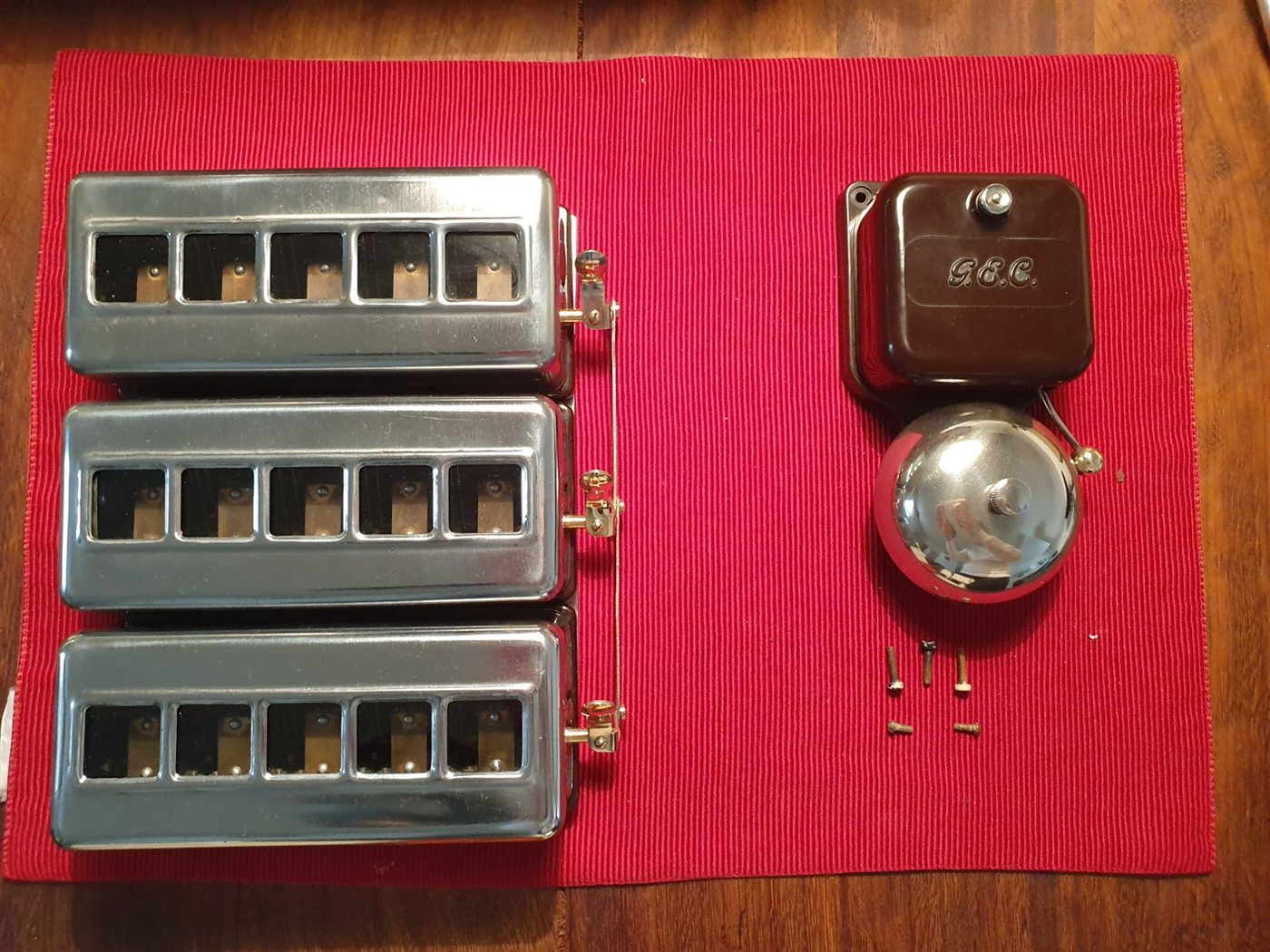
Research first
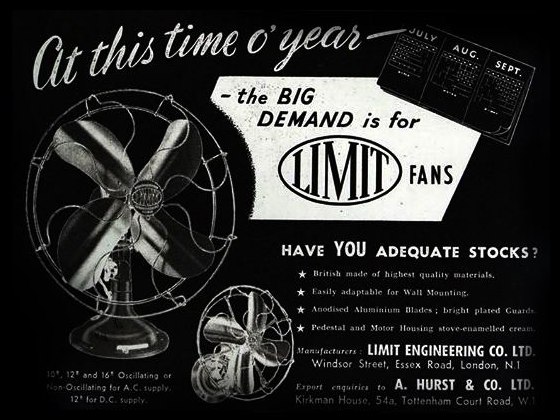
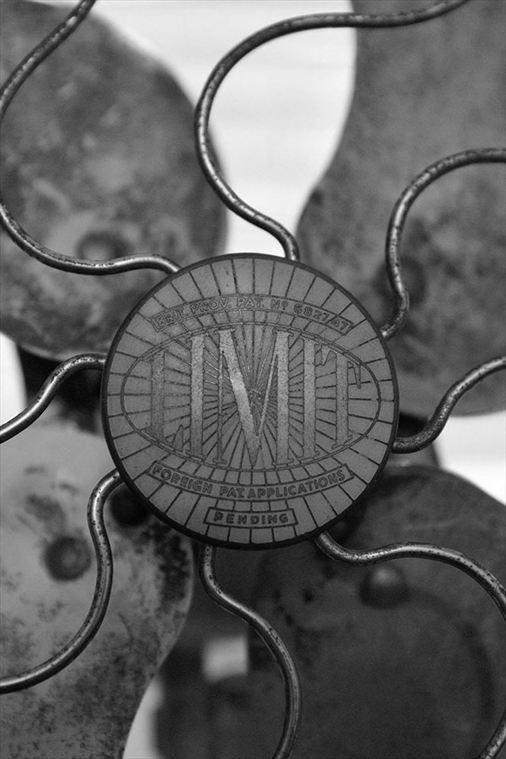
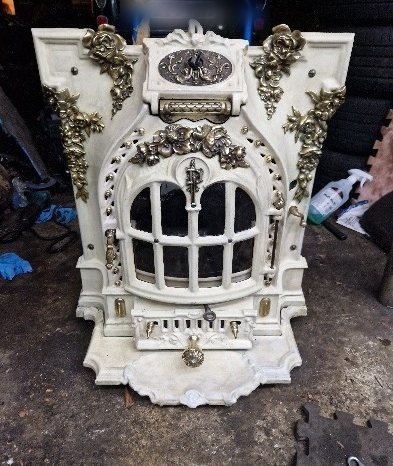
Maker's marks, period catalogues, original advertising and the way a piece was built tell us how it should be restored. Comparing a Deville fireplace against the maker's own 1923 and 1926 catalogues narrowed its date to between 1923 and 1925.
See the Deville DPF 600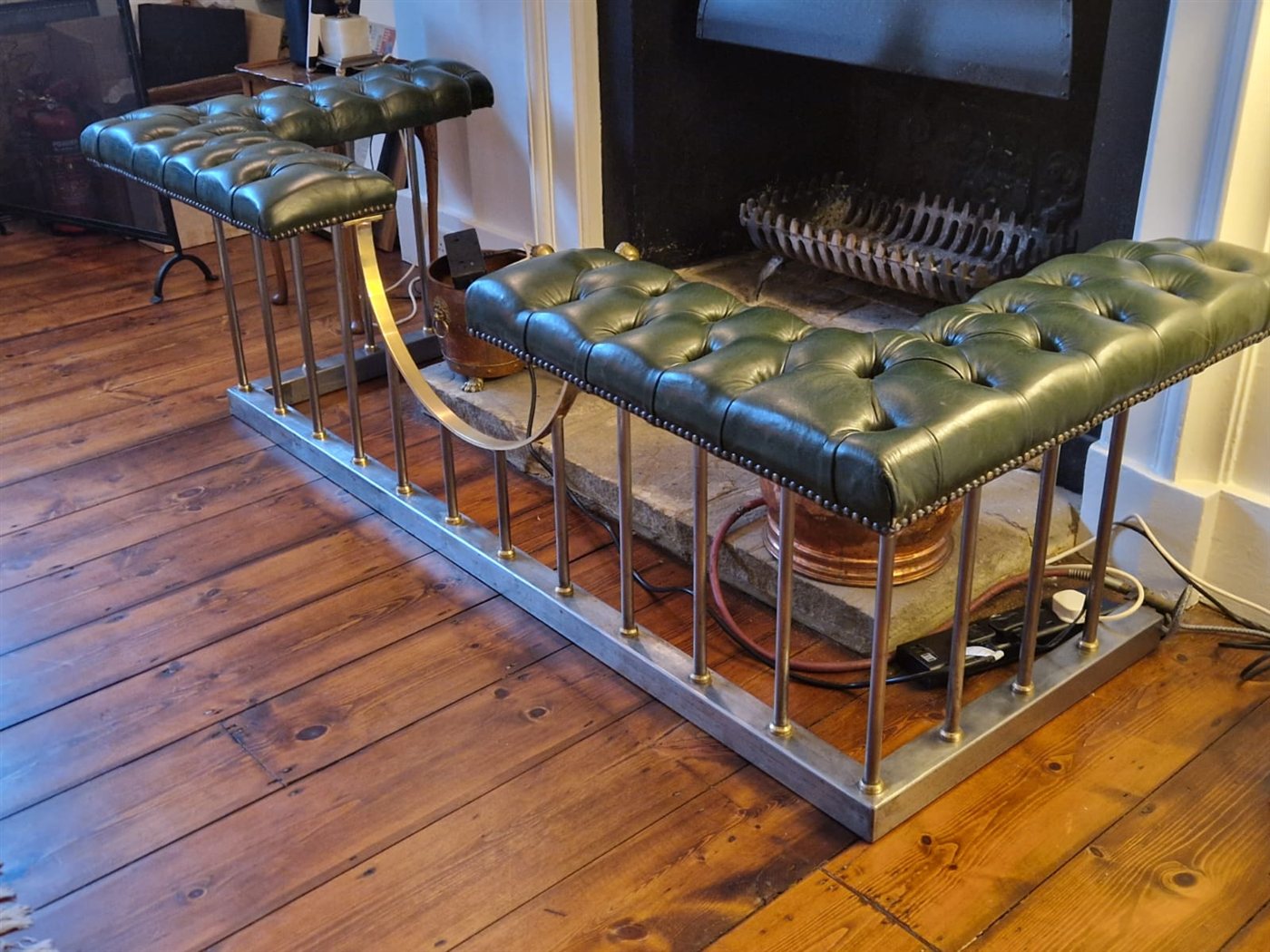
Original over new
Original finishes and patina are part of a piece's character and its value, so we preserve them wherever we can and blend repairs into what's already there.
On a club fender with surface rust, rather than polishing the metal to a uniform shine, we agreed a patinated polish with the client: clean, but with the subtle markings of the metal left visible.
See the club fenderDone properly
If a piece needs more than it first appeared to, it gets it, including the work nobody will ever see once it's back together.
The Deville came in for a one-day refresh. Once it was apart, the rust ran far deeper than it looked: every bolt sheared, the body had a large crack and the mica fell apart. It became four days of hands-on work, not counting the time for chemical treatments.
See the full restoration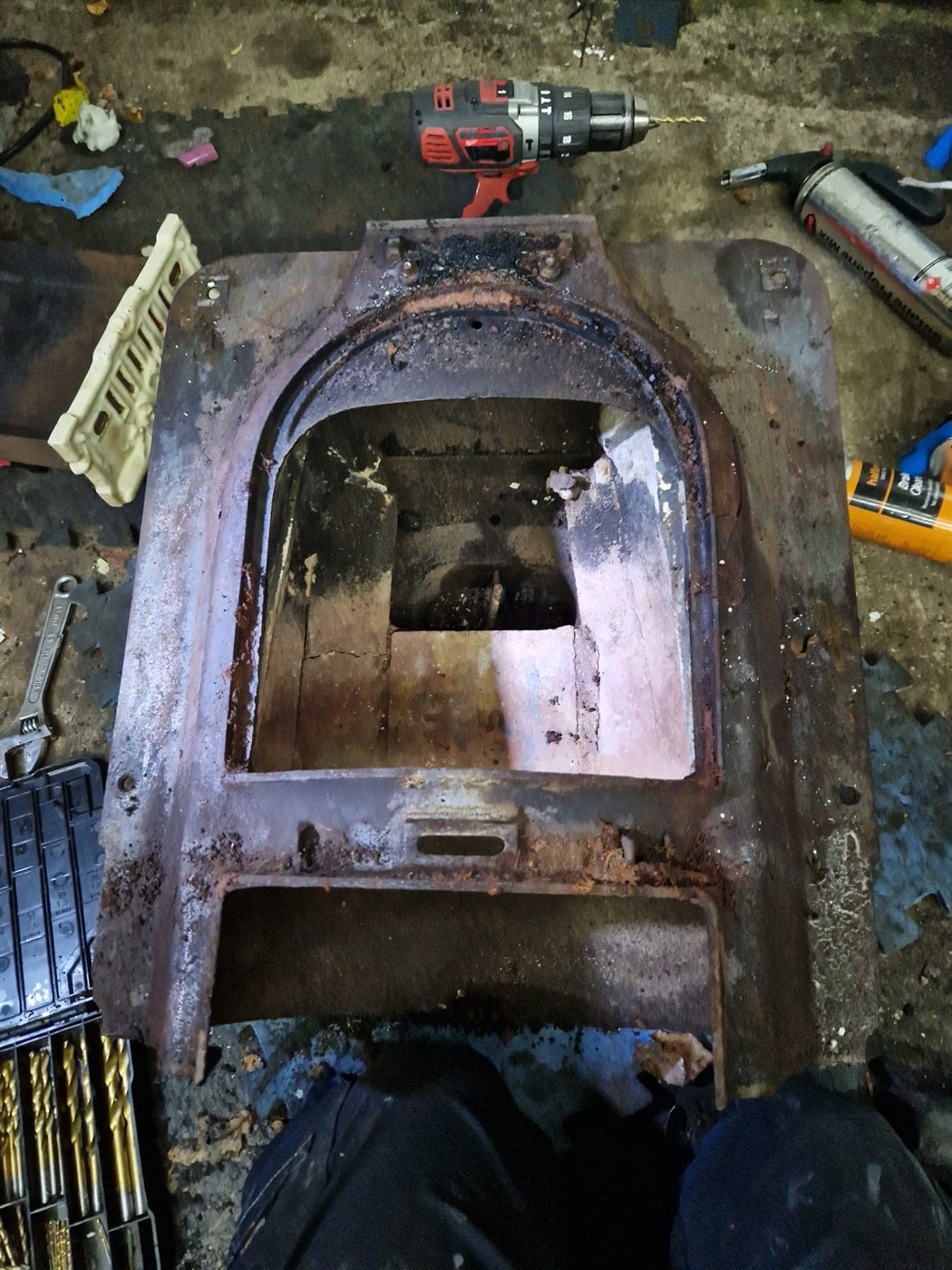
Furniture and chairs
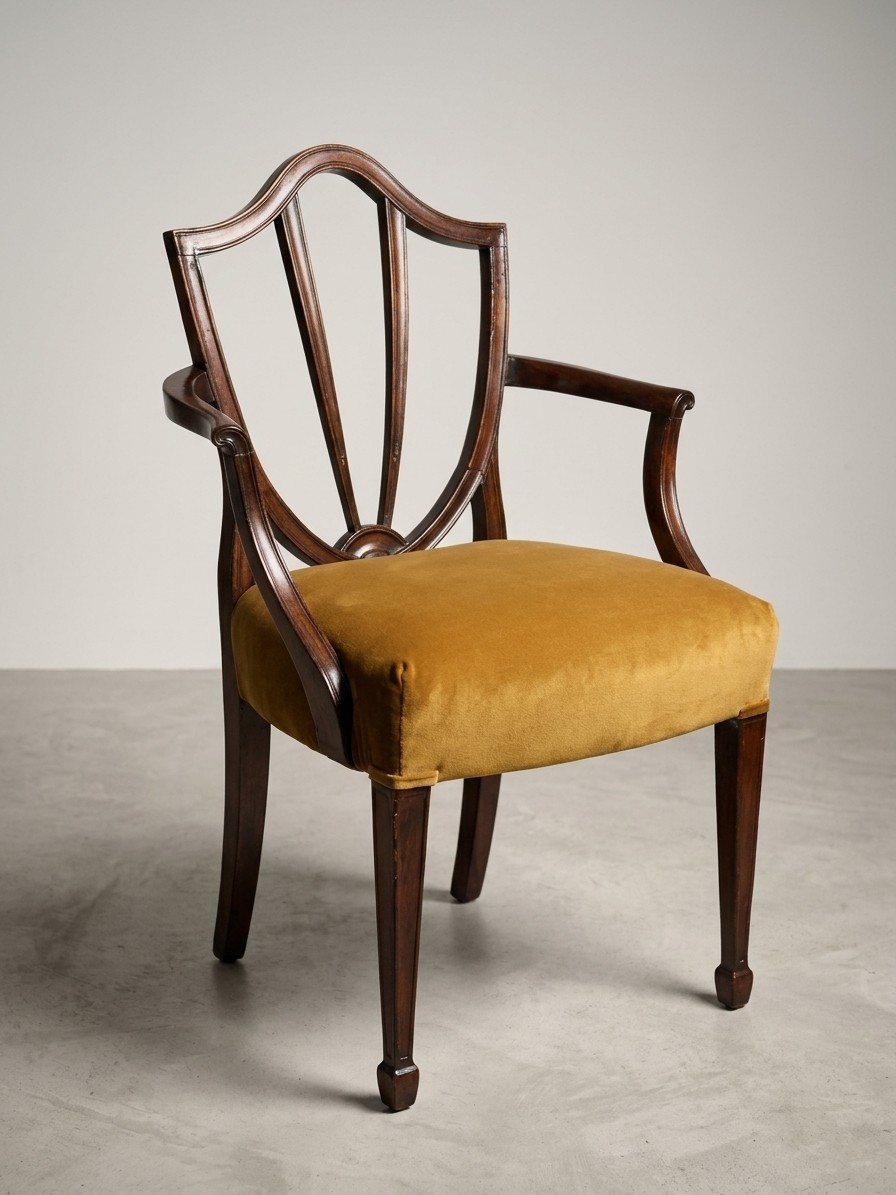
Structural repairs, failed joints rebuilt and new timber spliced in only where the original can't be saved, then reassembled traditionally with hide glue.
French polishing
New timber colour-matched to the old, then shellac built up by hand over several sessions and finished with wax.
Traditional upholstery
Seats rebuilt the way they were first made: webbing, hair, scrim and calico, then the top cover.
Fireplaces and stoves, for display
Cosmetic restoration of cast iron, enamel, brass and mica, researched back to the maker's own catalogues. This is visual restoration only: pieces are not refurbished for use as a working fire.
Metalwork
Rust treated and metal brought back, from a high polish to a patinated finish that keeps the marks of its age.
Lighting and industrial pieces
Lamps, fans, bells and other industrial fittings, given the same care as the furniture.
From the workshop
Have a piece in need of restoration?
Tell us what it is and anything you know of its history, as every detail helps. We'll talk through what it needs, and whether it's worth the investment, before any work starts.
Get in touch